Cheikh Anta Diop: the man who put Africa back at the centre of history
Through research combining history, linguistics, anthropology, archaeology and nuclear physics, Diop sought to show Africa’s central role in the formation of the first civilisations.
Translated from Portuguese. Read the original →

For centuries, world history was written from a perspective that placed Europe at the centre of human development. Within that frame, Africa often appeared as a historical periphery, a place with little to contribute to the birth of civilisations.
It was against this view that Cheikh Anta Diop rose. Through multidisciplinary research combining history, linguistics, anthropology, archaeology and nuclear physics, he sought to show that Africa played a central role in the formation of the first human civilisations.

Was ancient Egypt African?
Diop’s main thesis held that ancient Egypt could not be separated from the rest of the African continent. In his view, nineteenth-century European Egyptologists had artificially created a cultural border between Egypt and Black Africa.
For the Senegalese thinker, this separation was ideologically driven. Acknowledging that one of the greatest civilisations of antiquity had African roots would have undermined the intellectual foundations used to justify European colonisation.
Diop argued that Egypt’s development took place within a continuous African geographical space, sustained by the peoples who had lived along the banks of the Nile since prehistoric times.
The scientist who entered history
Born in 1923 in Thieytou, Senegal, Diop moved to Paris after the Second World War. While many African intellectuals pursued literary or legal careers, he chose the exact sciences.
He studied under the French physicist and Nobel laureate Frédéric Joliot-Curie. This scientific training would deeply shape the way he studied the past.
For Diop, history could not rest on interpretation alone. Historical hypotheses had to be tested against measurable, verifiable evidence.
The scientific evidence
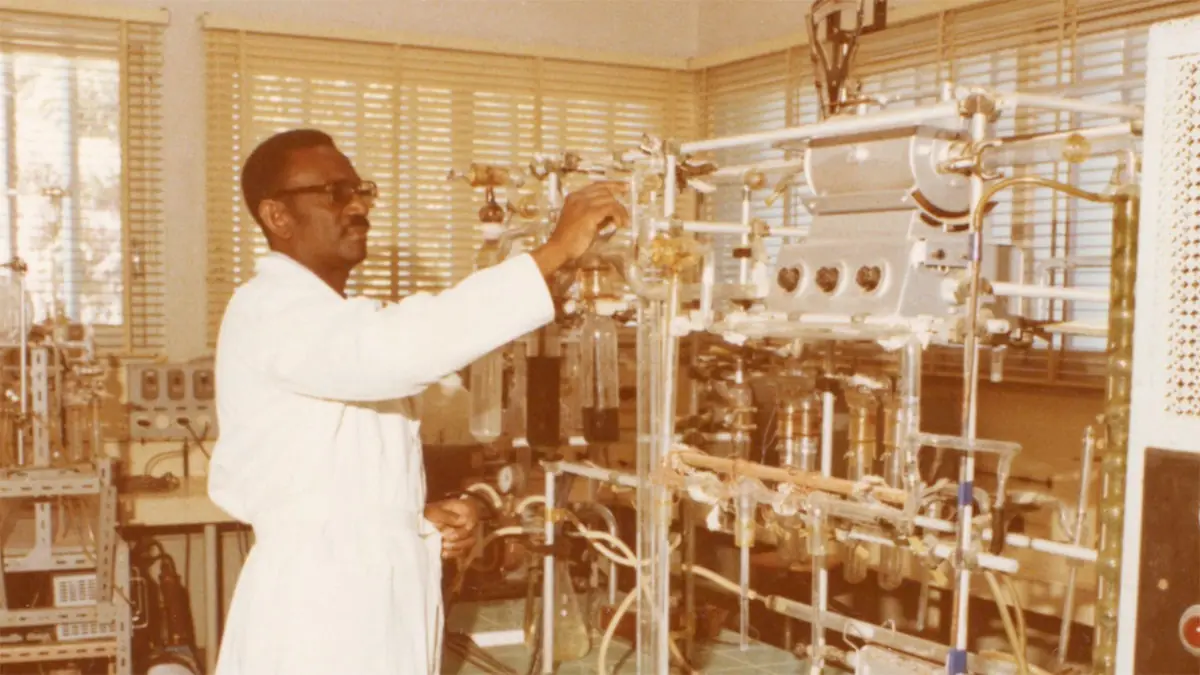
One of his most controversial contributions was his attempt to apply laboratory methods to the study of the origins of ancient Egypt’s population.
The techniques he used included anthropological analyses, osteological studies, examinations of pigmentation in mummies and carbon-14 dating.
On returning to Senegal, he set up a radiocarbon laboratory that became a reference point for African archaeology.
His ambition was simple: to replace ideological speculation with scientific data.
The linguistic link between Egypt and West Africa
Using Wolof, a language spoken in Senegal, Diop sought to show structural similarities between ancient Egyptian and several modern African languages.
In his view, these correspondences were not mere coincidences. They were traces of a long historical and cultural continuity.
Although some of his conclusions are still debated, his studies opened new paths for African linguistics.
The Cairo symposium: the academic showdown
In 1974, UNESCO brought together international experts to discuss the peopling of ancient Egypt.
Diop and the Congolese linguist Théophile Obenga presented a broad body of linguistic, historical and anthropological arguments.
The meeting did not settle the debate, but it forced the international scientific community to reconsider questions that had for decades been treated as settled.
The dream of a united Africa
Far from the image of an isolated academic, Diop was also a political thinker.
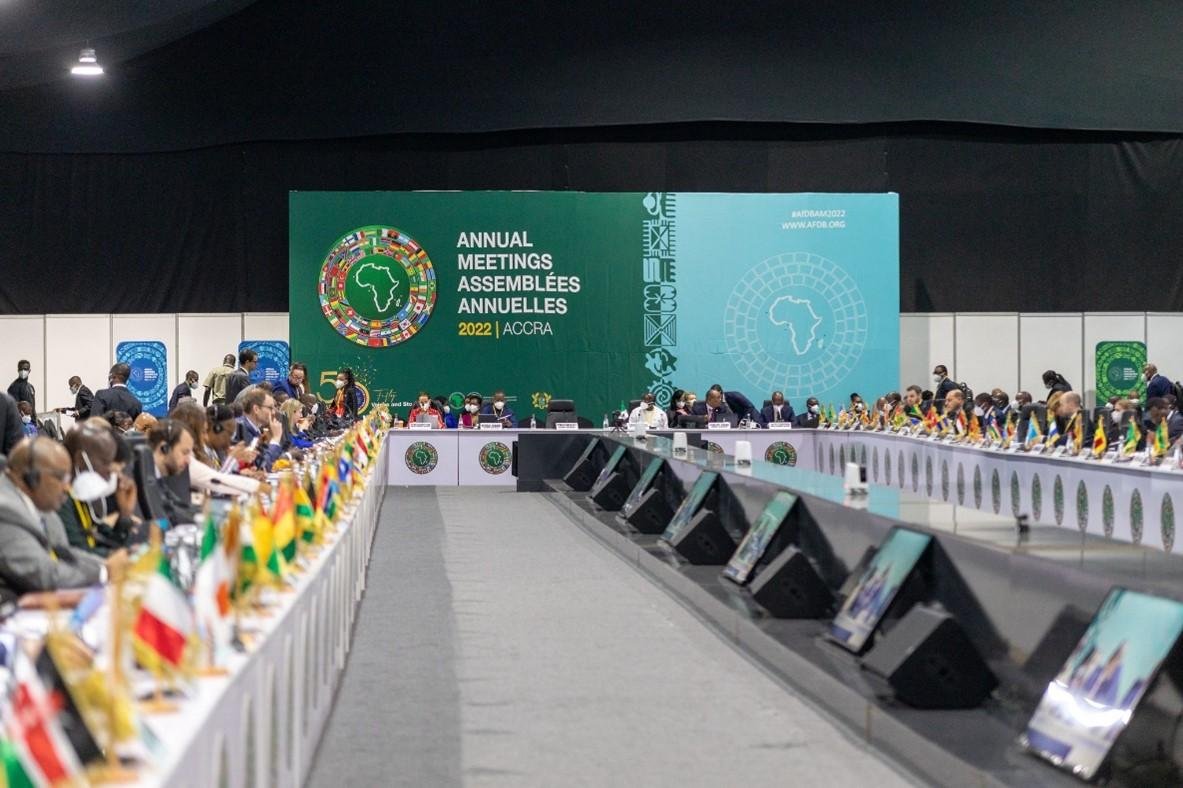
He advocated the creation of an African federation capable of pooling the continent’s economic, scientific and cultural resources.
In his view, the independence won in the 1960s would remain incomplete without deeper political and economic integration.
A legacy that lives on
Forty years after his death, the debate Cheikh Anta Diop began is still alive.
His works are still studied at African, American and European universities. Some of his theses remain controversial; others have been incorporated into new research programmes.
But whatever the disagreements, few today dispute that Diop profoundly changed the way African history is thought about.
His greatest victory was perhaps not proving a particular thesis, but showing that Africa must be studied as the subject of its own history, and not as a mere object in other people’s narratives.